What can happen when you give seven-year-olds the opportunity to create something for their city?
This was the question at the heart of our Diverse Doncaster: Where Do I Belong? Expedition.
Our Year 1 and Year 2 children explored the places, people, history and stories that make Doncaster unique, continually returning to our Guiding Question:
Where do I belong?
But we wanted the children to do more than simply learn about their city. We wanted them to use what they learned to create something that could be shared with others.
So we set them a challenge:
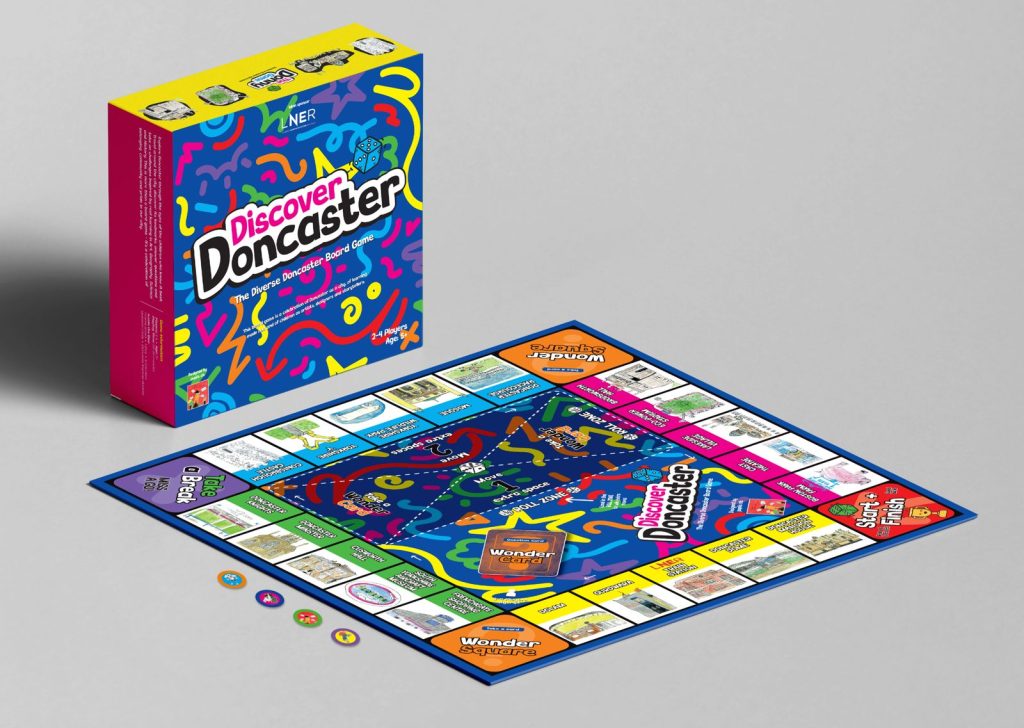
Create a board game all about Doncaster.
Learning about our city
The Expedition began with children exploring board games. They played different games, investigated how they worked and started to think like game designers.
What makes a game fun?
How do you know what to do?
What makes a game fair?
What happens when a rule doesn’t work?
Alongside this, the children began building their knowledge of Doncaster.
They used maps, aerial photographs and drone images to explore the city, learning about landmarks, routes, compass directions, symbols and grid references. They explored the history behind some of Doncaster’s most important places and investigated the materials used to build them.
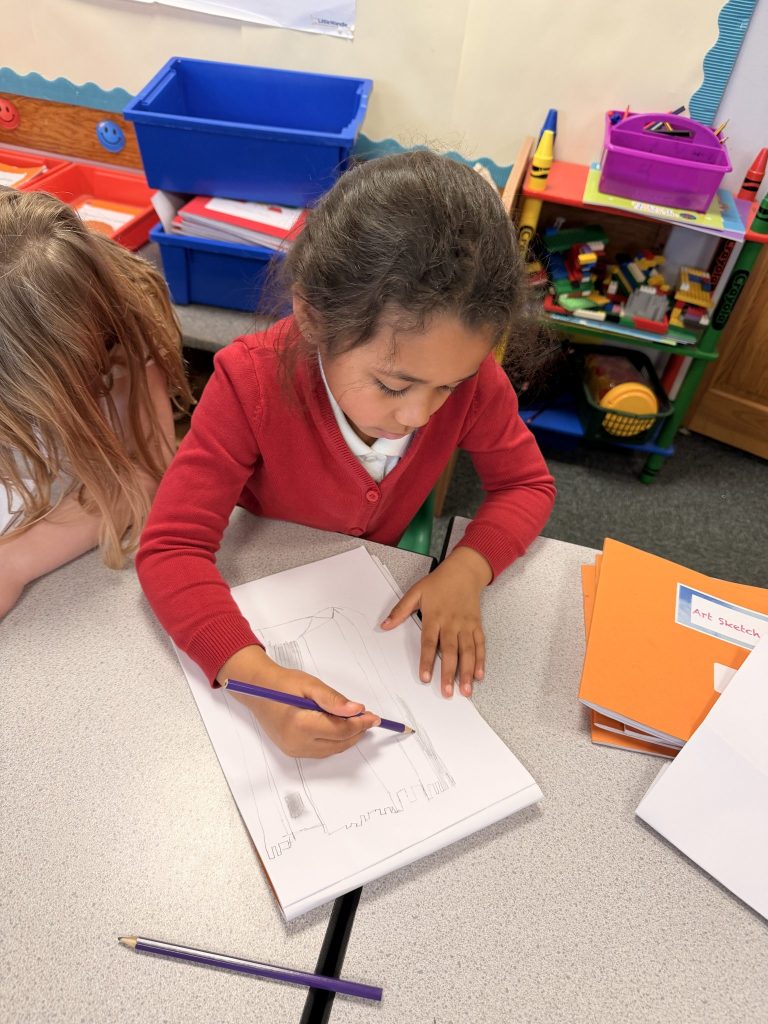
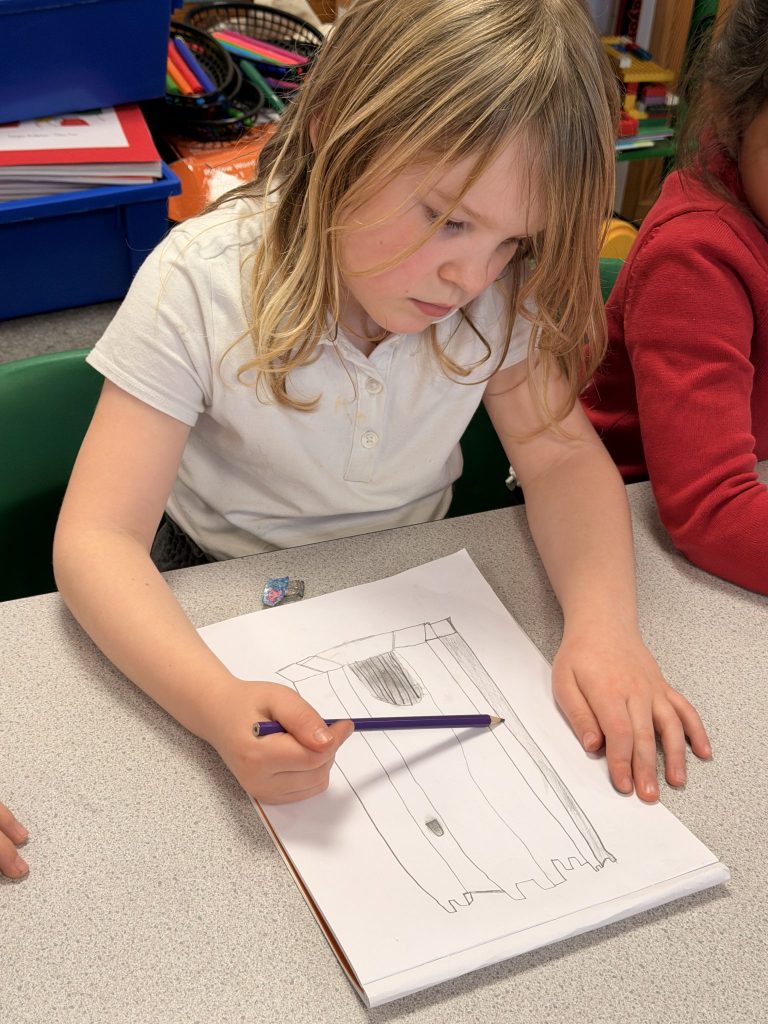
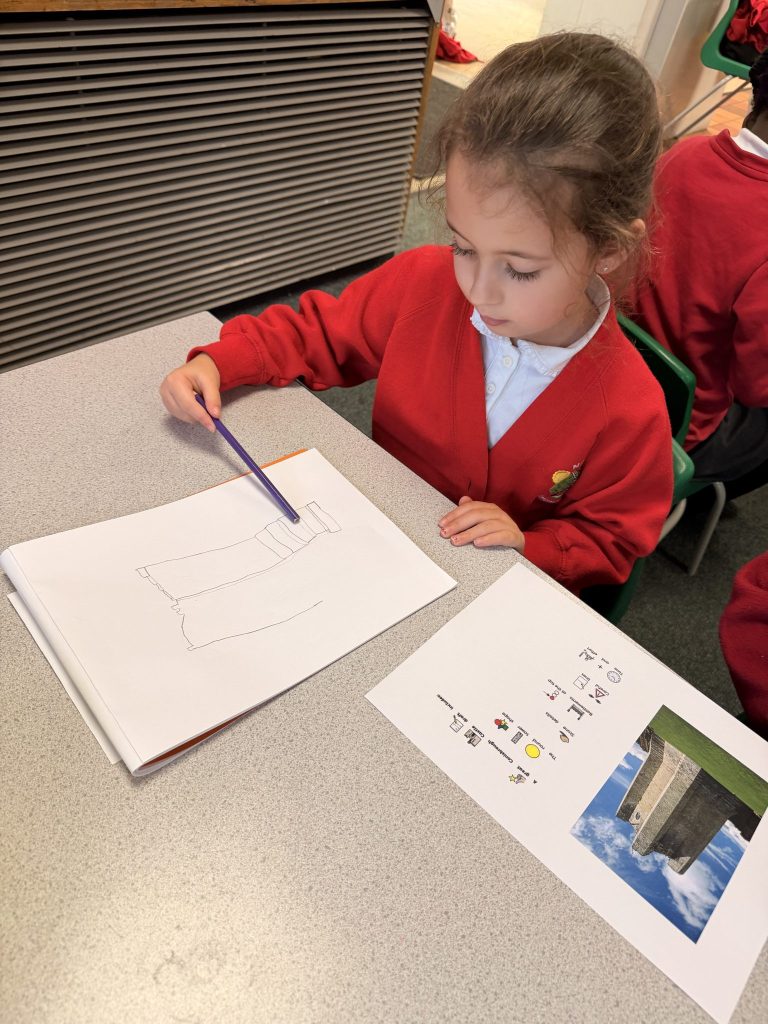
Art became another important part of the project. Children developed their drawing skills by creating detailed artwork inspired by Doncaster landmarks, including Conisbrough Castle, Doncaster Minster, Doncaster Railway Station, Cast and Brodsworth Hall.
We used the principles of Austin’s Butterfly to help children understand that great work doesn’t always happen first time. Children produced multiple drafts, shared their work and gave one another kind, helpful and specific critique before returning to improve their artwork.
The result was some incredible artwork — and it would eventually become part of the final board game.
Becoming game designers
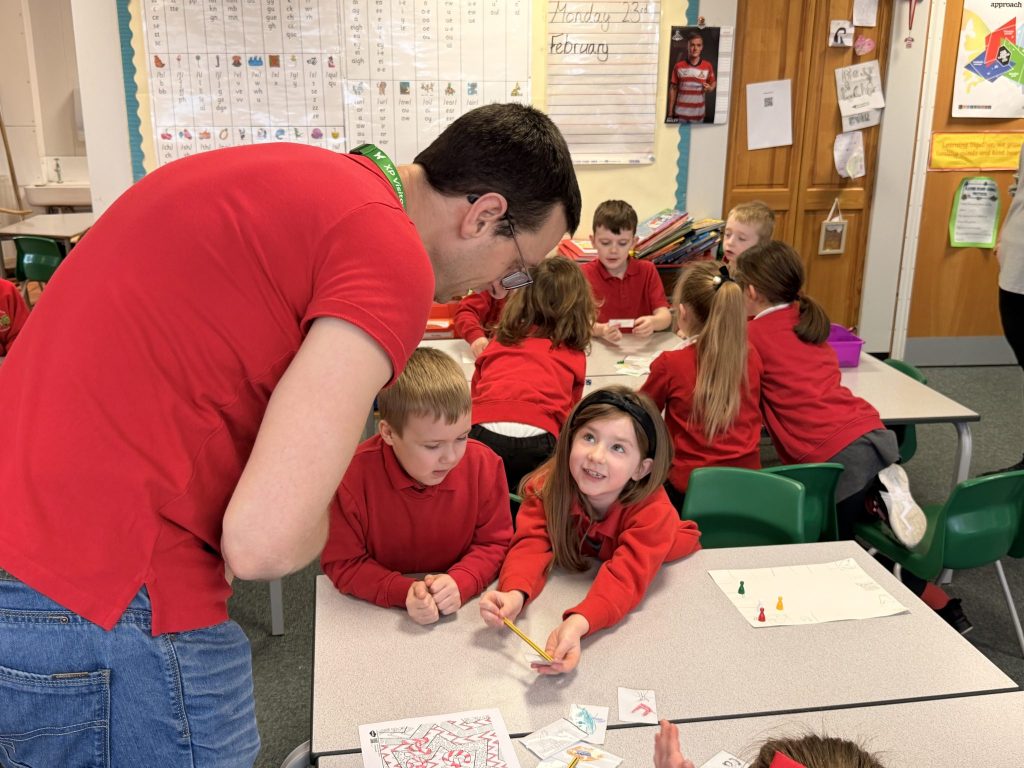
One of the most exciting parts of the Expedition was working with professional board game designers.
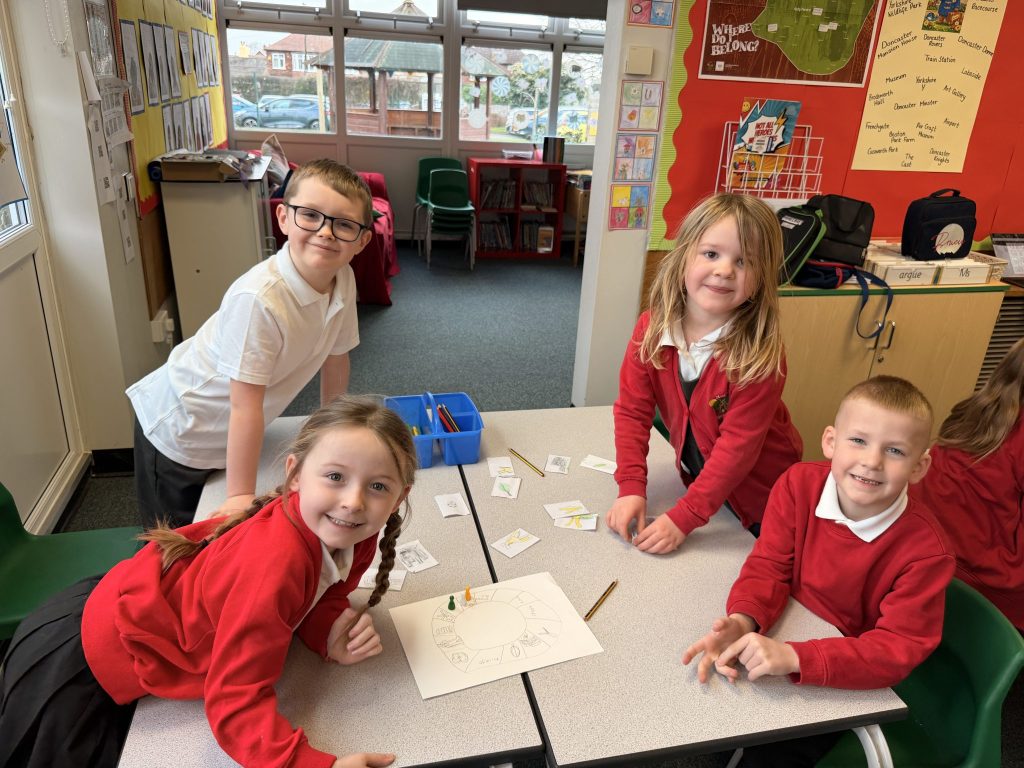
The children had the opportunity to work alongside people who actually design games for a living. They explored different components, tested ideas and developed the rules and visuals for their own game.
And, just like with their artwork, the first version wasn’t the final version.
The children played the game again and again.
They changed rules.
They changed the number of squares.
They reconsidered how different parts of the game worked.
They listened to feedback and made decisions about what needed to change.
They were experiencing a real design process — create, test, critique, improve and try again.
In her Final Word presentation, Olivia summed up the experience perfectly:
“We met real board game designers to help us make our very own board game! How many seven year olds can say that?”
Making it happen
As the project developed, we realised that producing the game to a genuine board game standard would require funding.
The children decided to take action.
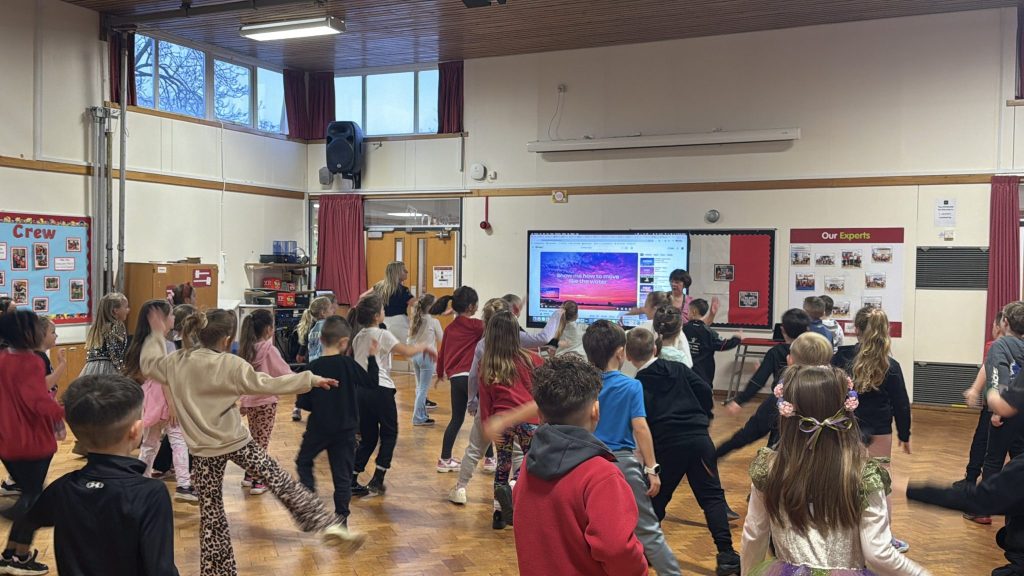
They held Danceathons, raising an incredible £1,060 towards the project.
Alongside this fundraising, LNER and Wellness Doncaster supported the project, helping us turn the children’s ideas and artwork into a professionally produced board game.
This was a hugely important moment.
The children hadn’t simply been told that their work was valuable.
They had experienced it.
They had designed something.
They had improved it.
They had raised money towards making it happen.
And then they were able to hold the finished game in their hands.
Every child involved in the project has been gifted their own copy.
Taking Doncaster into the wider community
But we don’t want the story to end with our children.
We are currently working with LNER on plans to share a copy of our board game with every school in Doncaster.
That means something created by seven-year-olds in our classrooms has the potential to reach children across the city.
This is what makes the project so much more than a board game.
The children have learned about their city, but they have also learned that they can contribute to it.
They have experienced working with professionals. They have practised collaboration, critique, problem-solving and perseverance. They have raised money to make their idea possible. And they have created something beautiful that has a genuine audience beyond school.
This connects so strongly to our XP Design Principles of Activism, Leadership and Equity.
The children weren’t simply learning about Doncaster.
They were doing something for Doncaster.
Where do I belong?
Perhaps the most powerful part of the Expedition is the way our Guiding Question has evolved.
At the beginning, Where do I belong? was a question for children to think about themselves.
By the end, they had created something that says:
I belong here.
This is my city.
I know its stories.
I have something to contribute.
And perhaps most importantly:
I am seven years old — and my ideas can make a difference.
Discover more from XP Unpacked
Subscribe to get the latest posts sent to your email.