There is always a moment, somewhere in the middle of fieldwork, when you are reminded exactly why it matters.
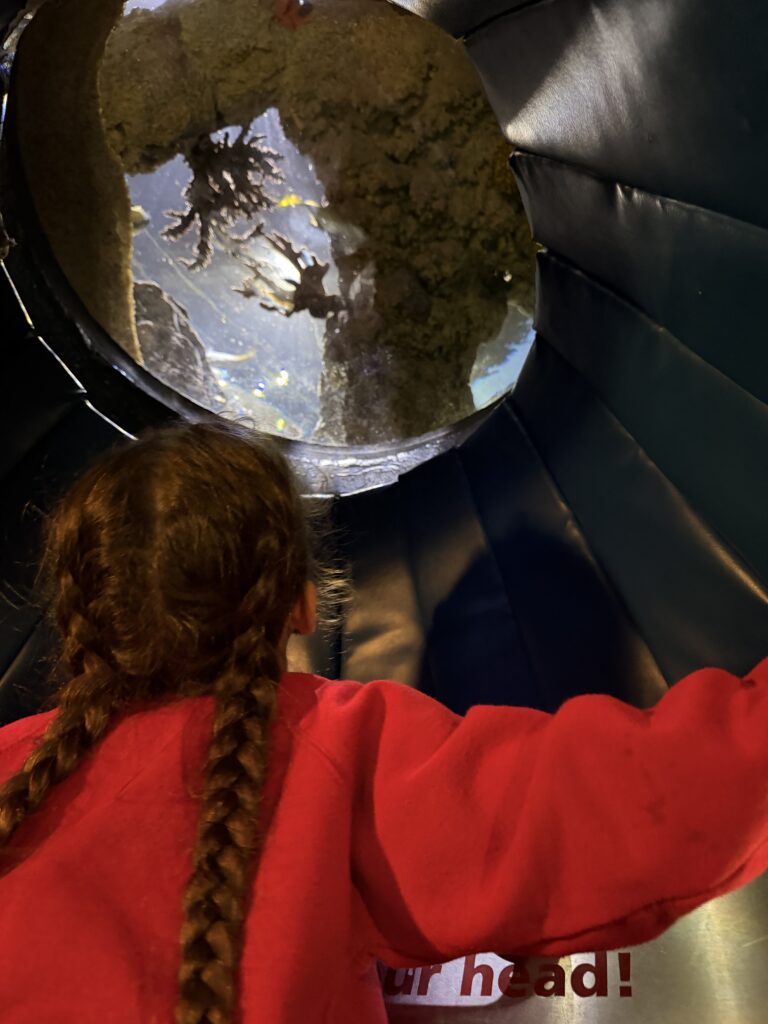
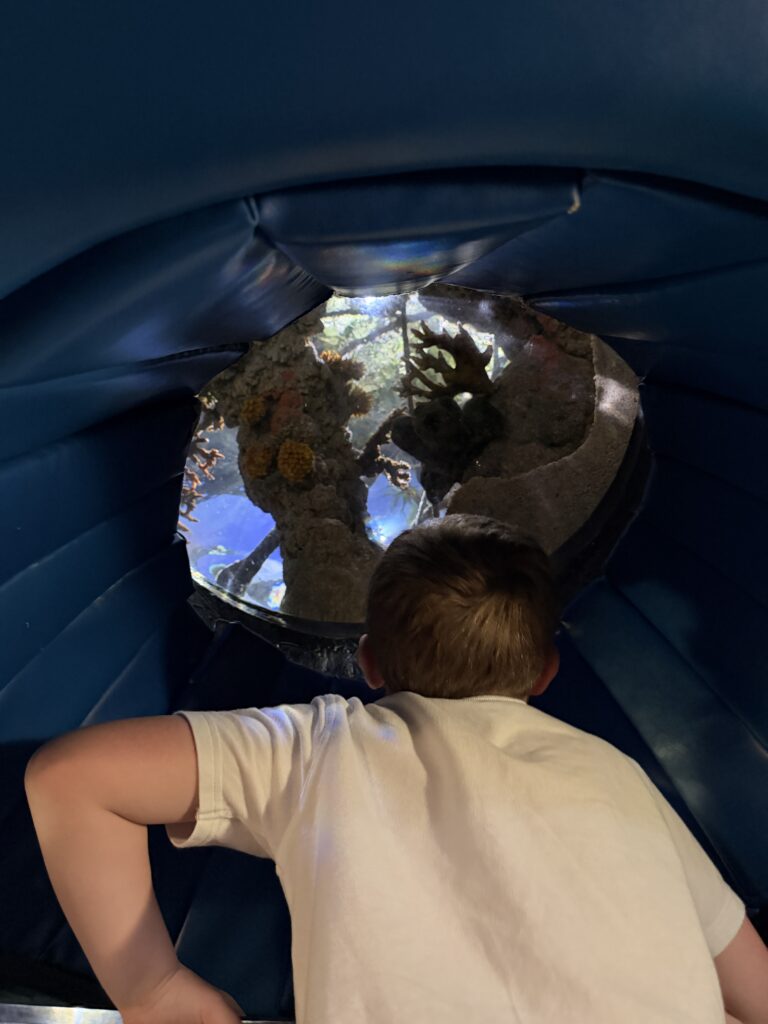
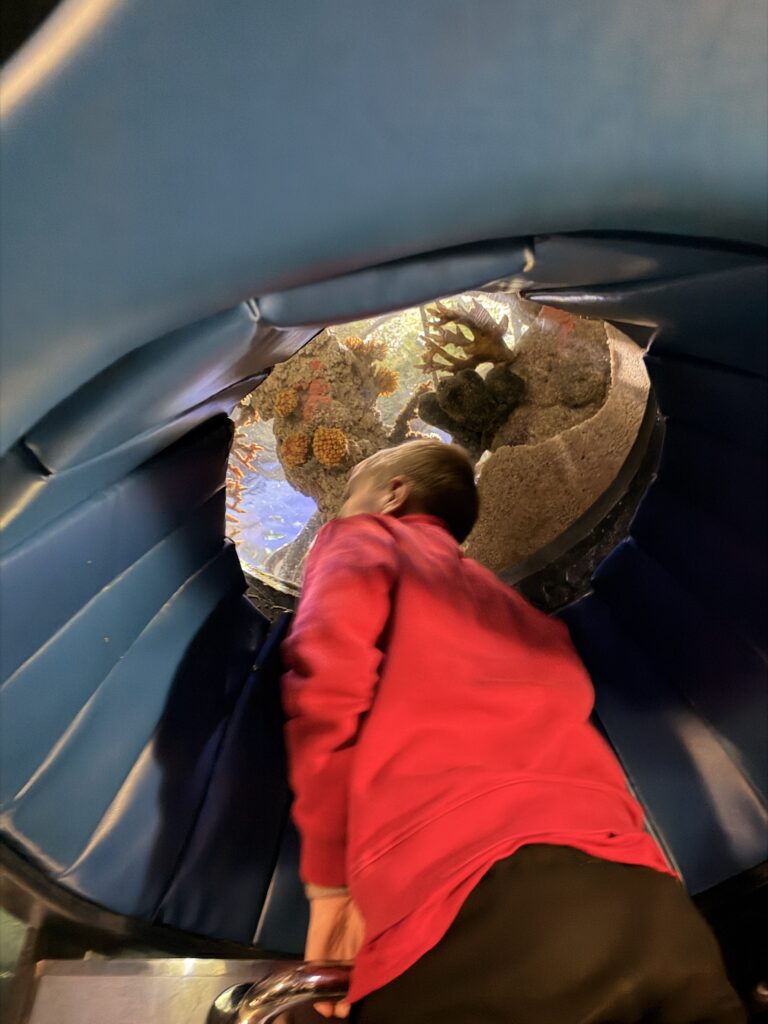
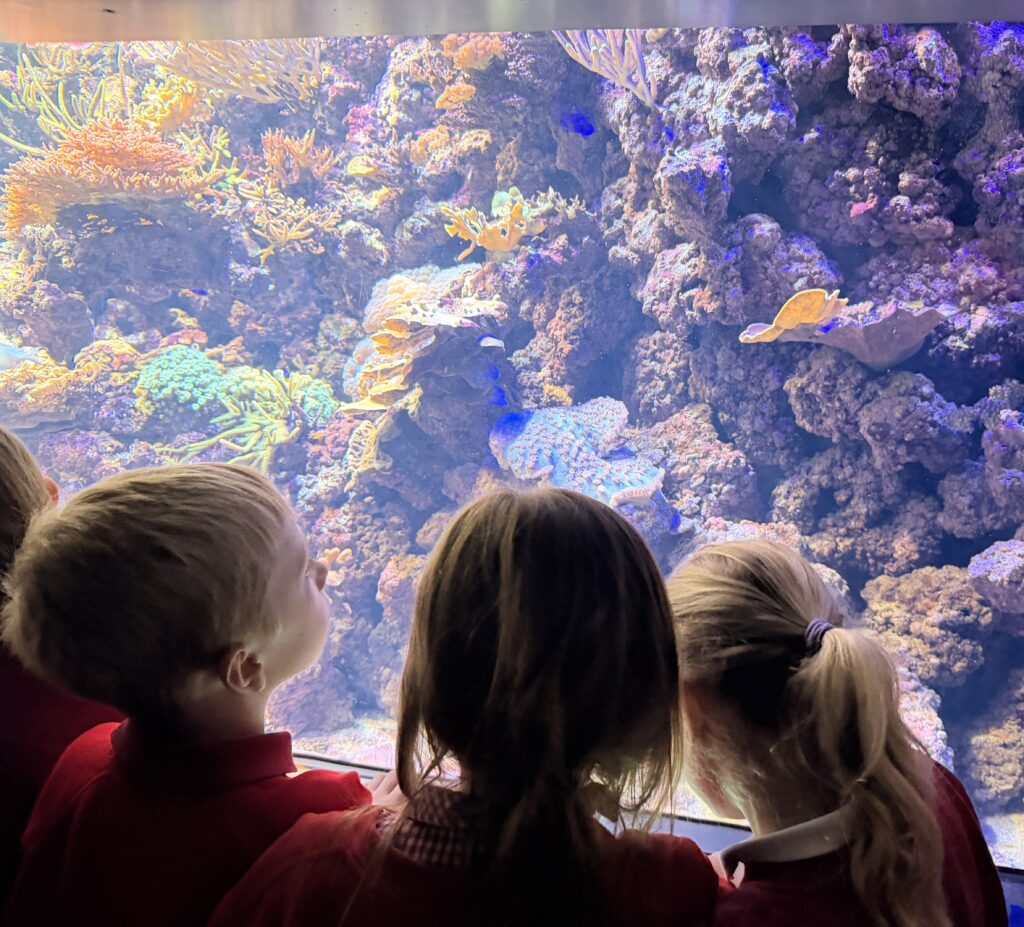
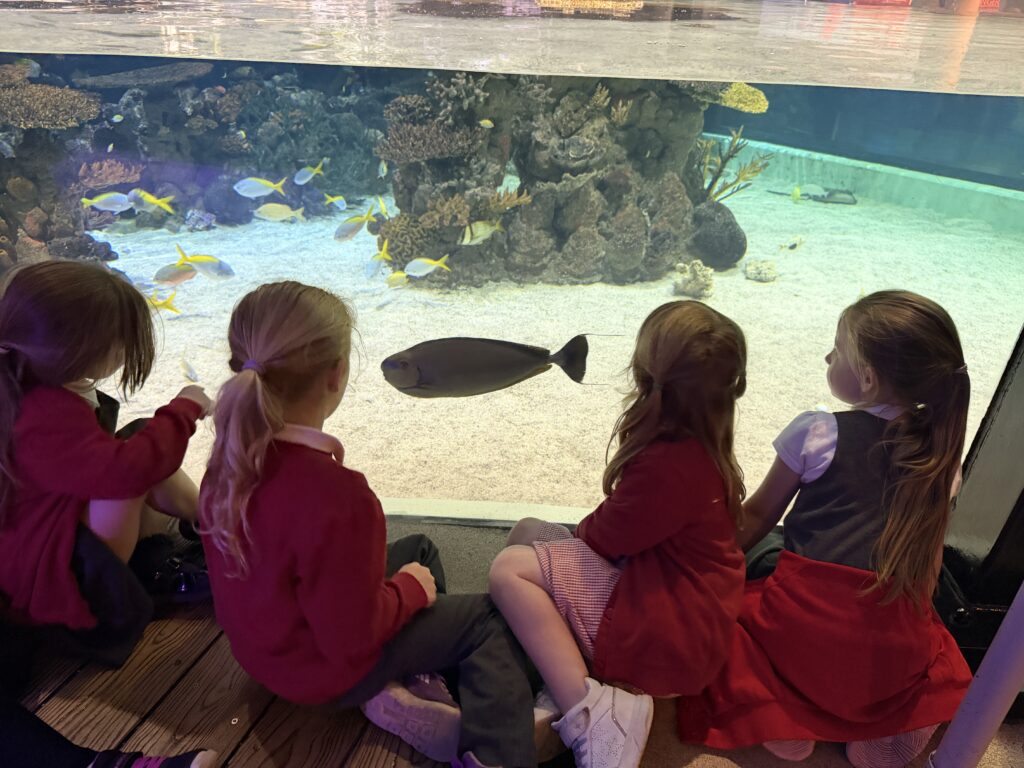
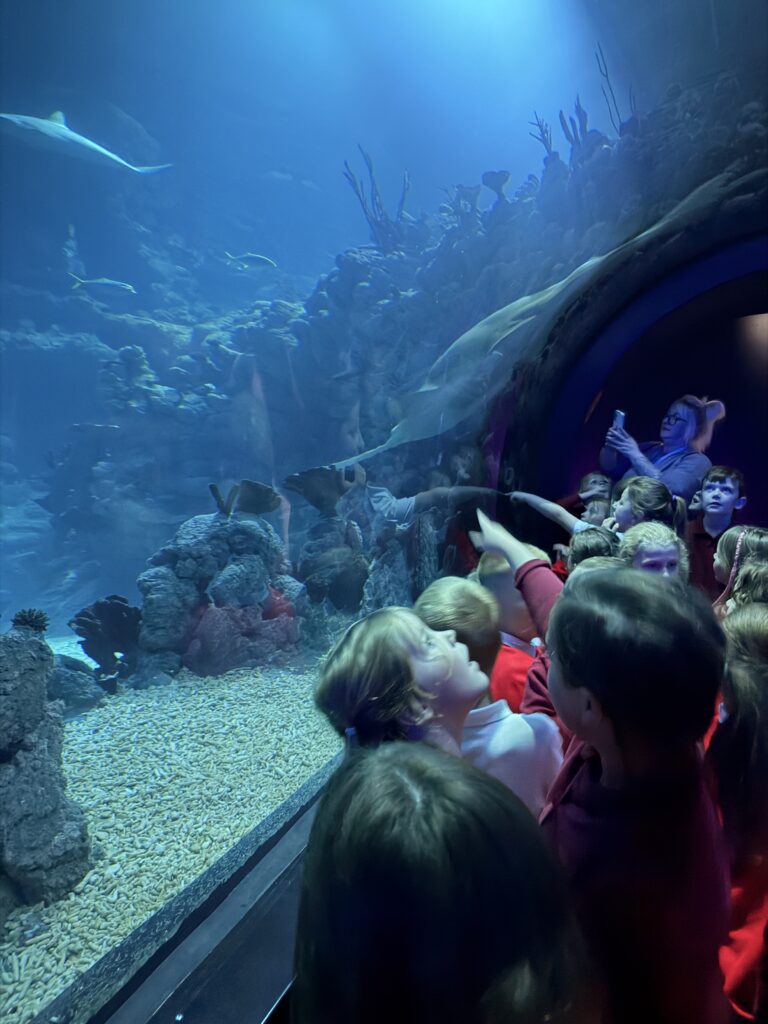
Sometimes it is a child standing silently in front of a shark tank, completely captivated. Sometimes it is the thoughtful question that no worksheet could ever have prompted. Sometimes it is overhearing a six-year-old explain microplastics to another child with genuine urgency and compassion.
And sometimes, it is a member of the public stopping you simply to say: “Your children are incredible.”
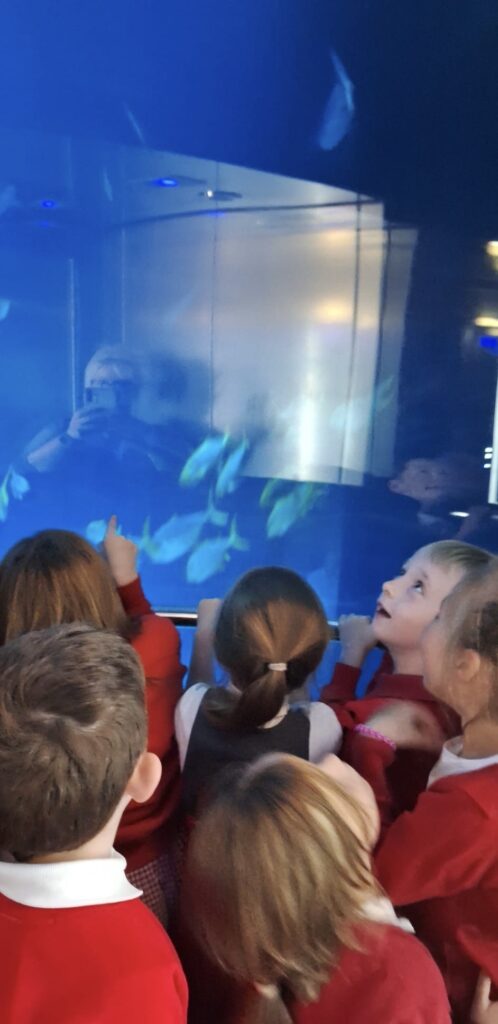
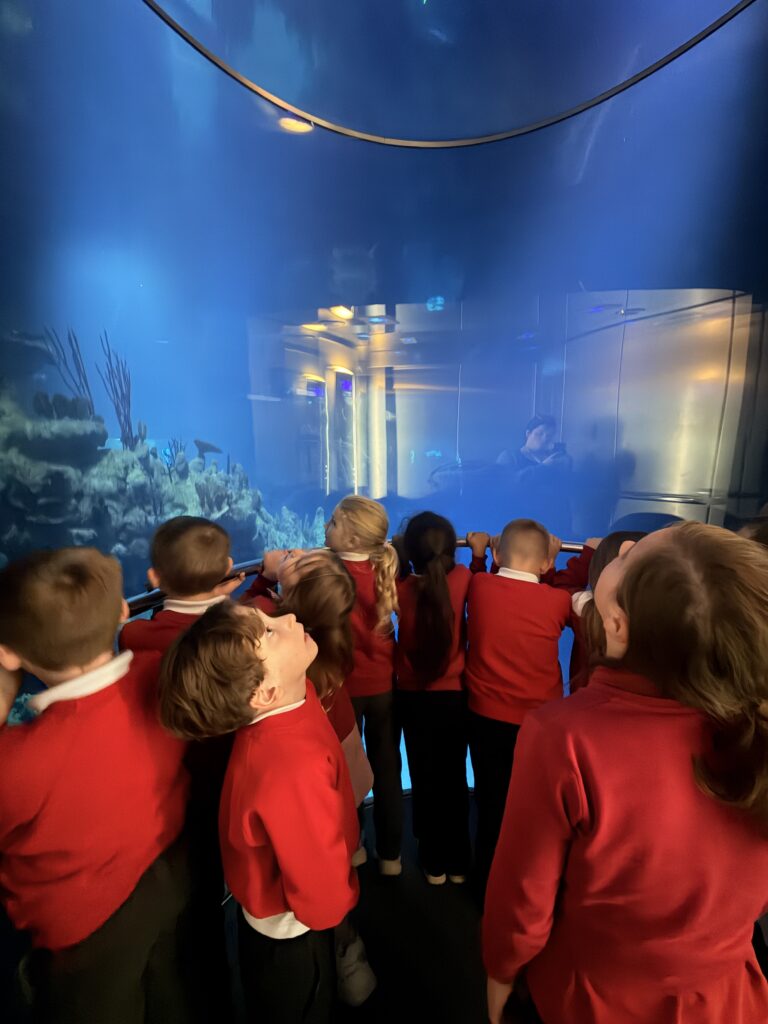
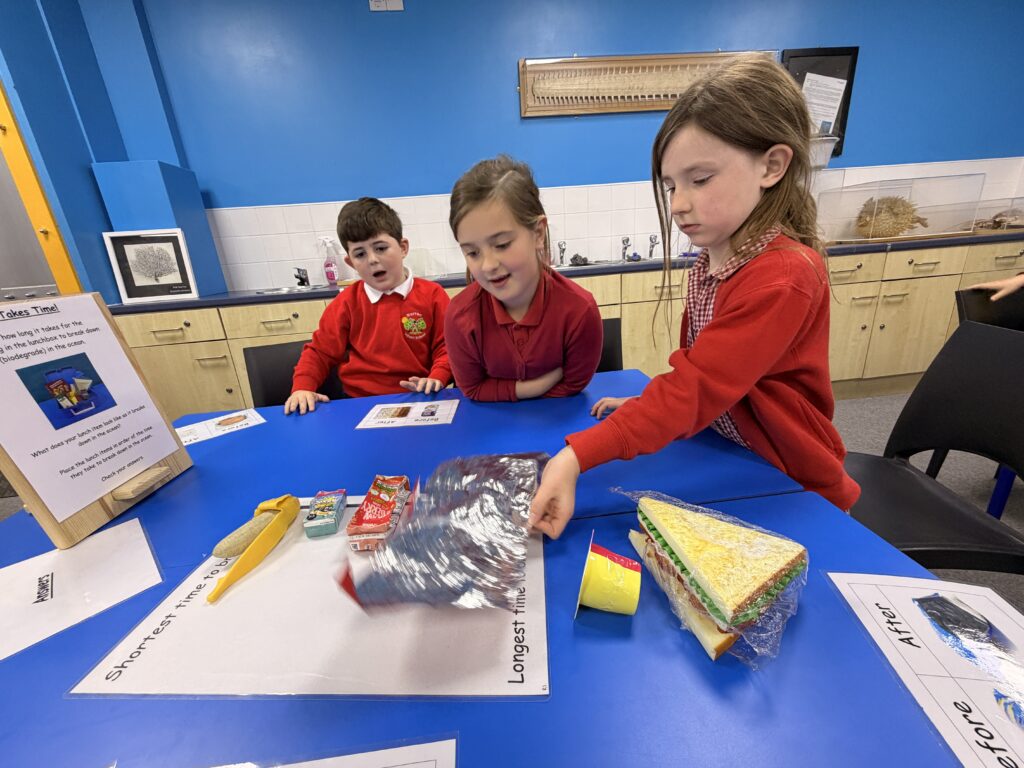
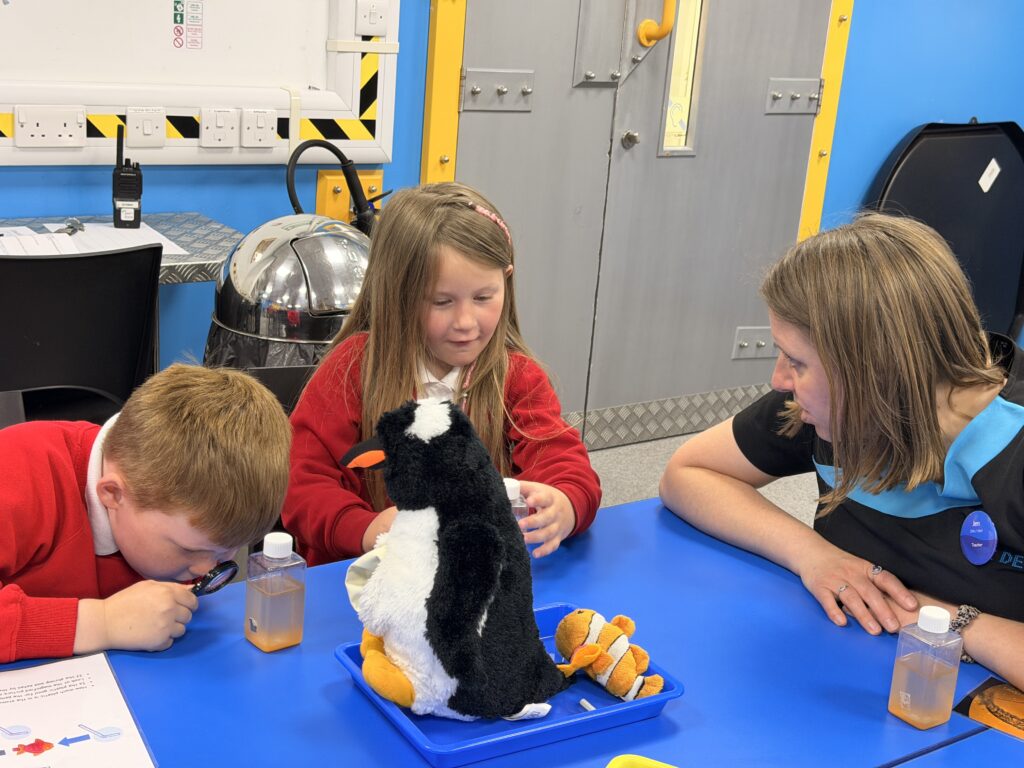
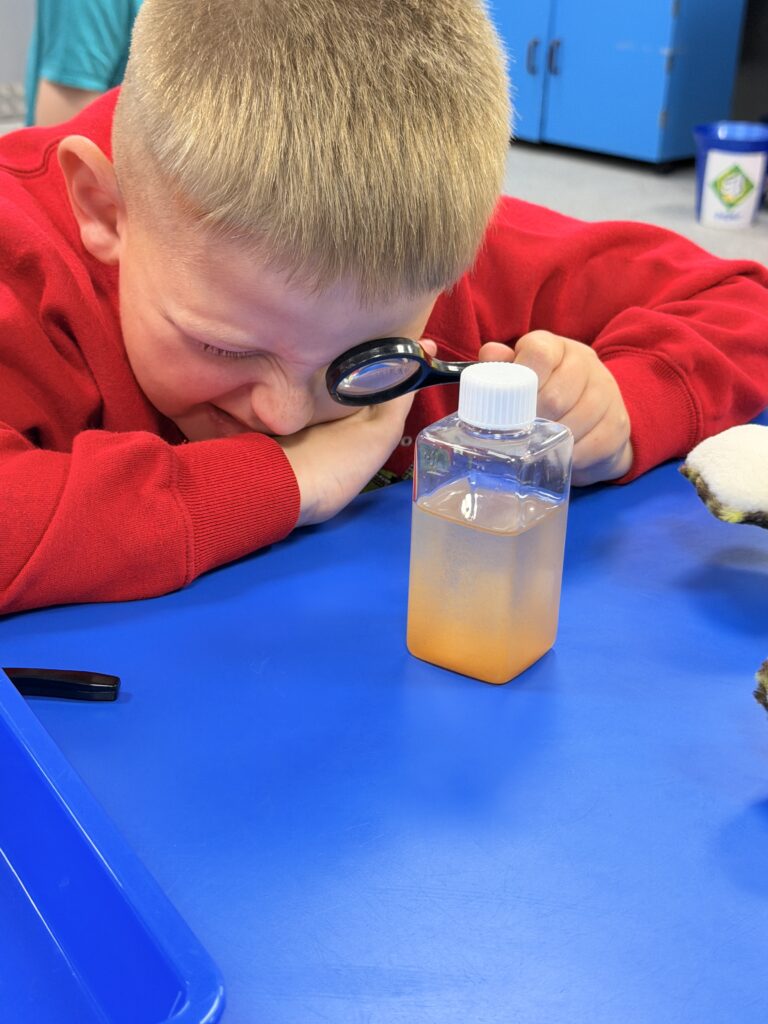
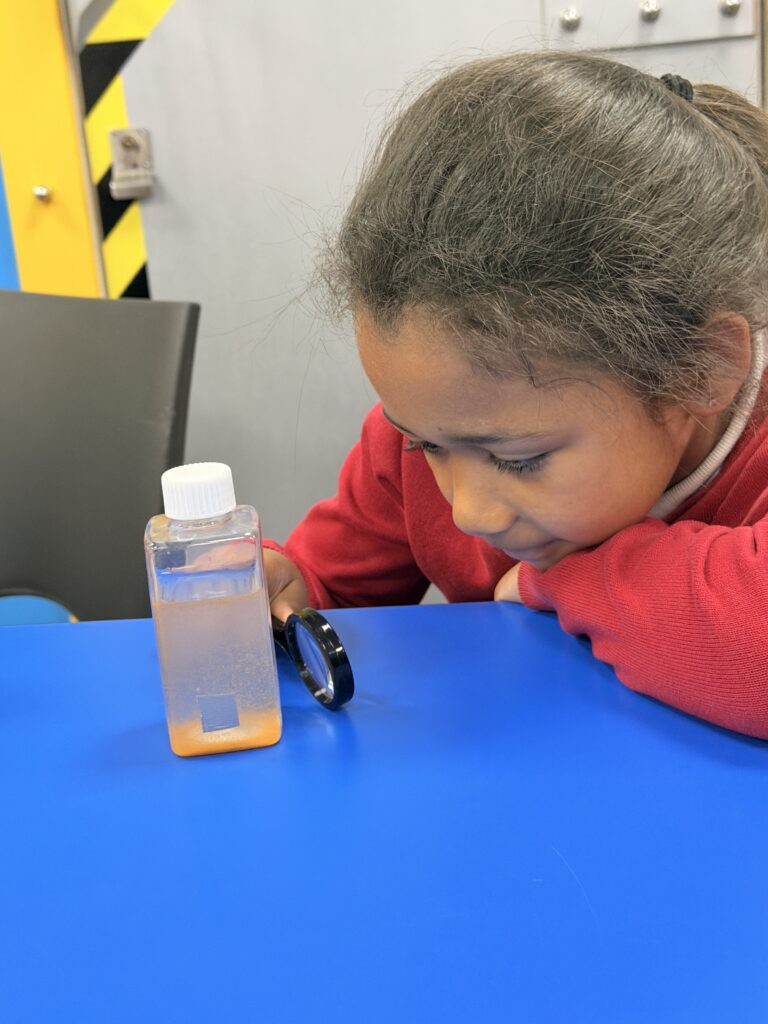
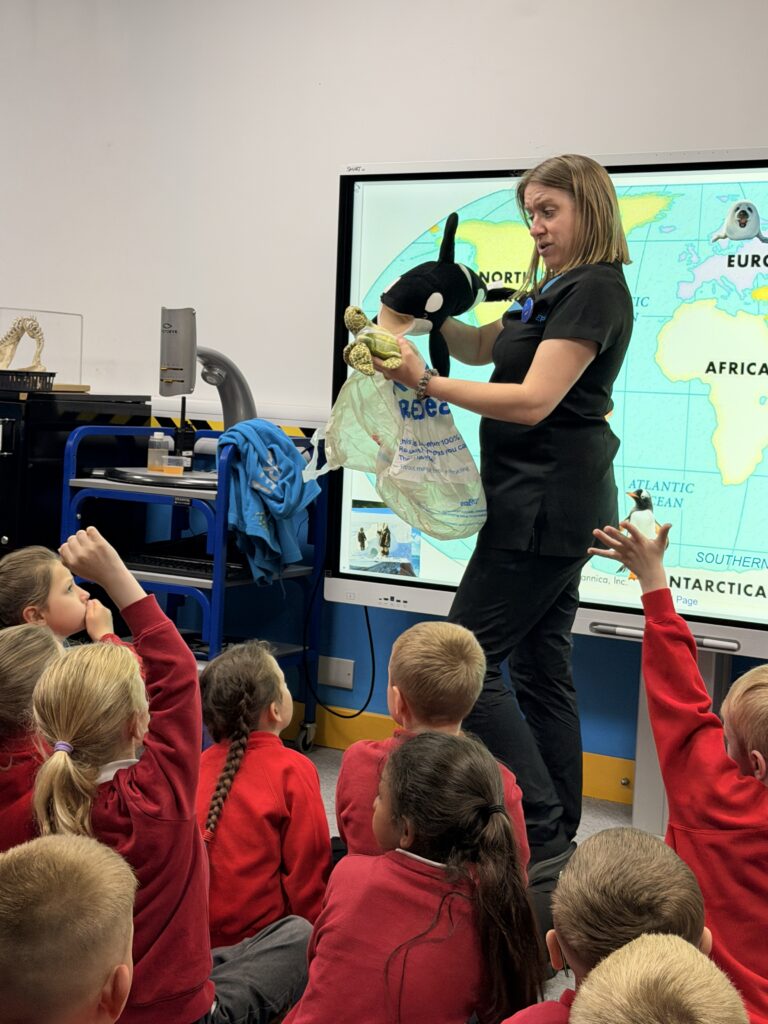
Recently, our Year 2 children visited The Deep as part of our expedition, The Blue Planet: How Can I Impact the World? Through this learning expedition, children have been exploring ideas around ocean conservation, stewardship and plastic pollution. The visit included immersive exploration of the aquarium itself alongside a workshop focused on protecting our oceans from plastic waste.
On paper, it was a fieldwork visit. In reality, it was something much bigger.
At XP, fieldwork is not an “extra” bolted onto the curriculum. It is not a reward at the end of learning. It is the learning. It is one of the ways we enact the design principle of Activism — creating authentic opportunities for children to encounter the world beyond the classroom and understand their capacity to change it.
Before the visit, the children had already been grappling with big ideas:
How does plastic end up in our oceans?
Why are marine animals affected?
Who is responsible?
Can children make a difference?
But there is a profound difference between reading about environmental damage and standing face-to-face with the creatures affected by it.
Inside the workshop, the children asked thoughtful, challenging questions. They connected prior learning to new information. They debated responsibility. They shared genuine concern for marine life. Importantly, they were not performing knowledge for adults — they cared.
This is the power of purposeful fieldwork within expeditionary learning.
As teachers, though, we also know the grapple.
- Fieldwork is expensive.
- Transport costs continue to rise.
- Budgets are tight.
- Staffing ratios matter.
- Risk assessments take time.
- The organisation behind the scenes is significant.
There are often easier options.
- We could stay in school.
- We could watch videos.
- We could simulate experiences.
- We could protect timetable time and reduce logistical stress.
And yet, experiences like this remind us why we continue to fight for fieldwork anyway.
Because authenticity changes the quality of learning.
The children returned from The Deep not simply with “facts” about oceans, but with something far more important: a sense of responsibility. Their writing improved because they had something real to say. Their scientific understanding deepened because they had encountered real-world contexts. Their compassion grew because they had emotionally connected with the issue.
This is difficult to quantify in data terms, but immediately visible in the work children produce afterwards.
There is also something important around equity here.
Experiences like visiting aquariums, museums or galleries are not universally accessible outside of school. For some children, fieldwork provides cultural experiences they may otherwise never encounter. When we remove authentic experiences from the curriculum, it is often the children with the least access outside of school who lose the most.
That matters deeply.
One of the most powerful moments of the day came not from the exhibits themselves, but from the conduct of the children. Throughout the visit, members of the public repeatedly commented on their behaviour, curiosity and politeness. They noticed children who were engaged. Children who listened carefully. Children who were excited about learning.
And perhaps that is another often-overlooked outcome of fieldwork within expeditionary learning:
children learning how to exist in the world.
- How to speak to experts.
- How to ask questions.
- How to navigate public spaces.
- How to represent their community.
- How to engage respectfully with people and ideas beyond school walls.
These are not “extras”.
They are part of the curriculum too.
At XP, we often talk about creating beautiful work, authenticity and purposeful products. But experiences like this are a reminder that beautiful work begins with beautiful experiences — experiences that allow children to feel wonder, responsibility and connection to the wider world.
Fieldwork is not always easy. But days like this remind us that it is always worth it.
Discover more from XP Unpacked
Subscribe to get the latest posts sent to your email.