There is a moment in almost every expedition when the learning stops feeling like “school work” and starts feeling real.
For our children, that moment came when they realised that the plastic floating in our oceans was not just something happening somewhere else, to somebody else. It was happening here. Now. To living things.
And suddenly, five and six-year-olds began talking about responsibility.
Not because we told them they should care, but because they genuinely did.
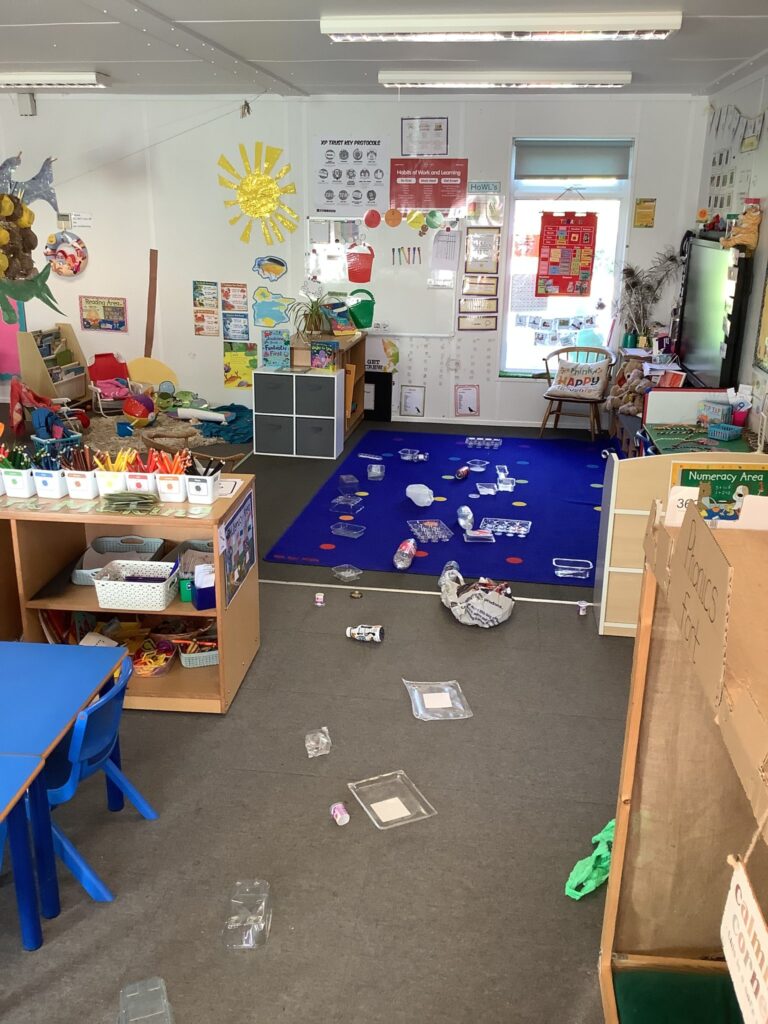
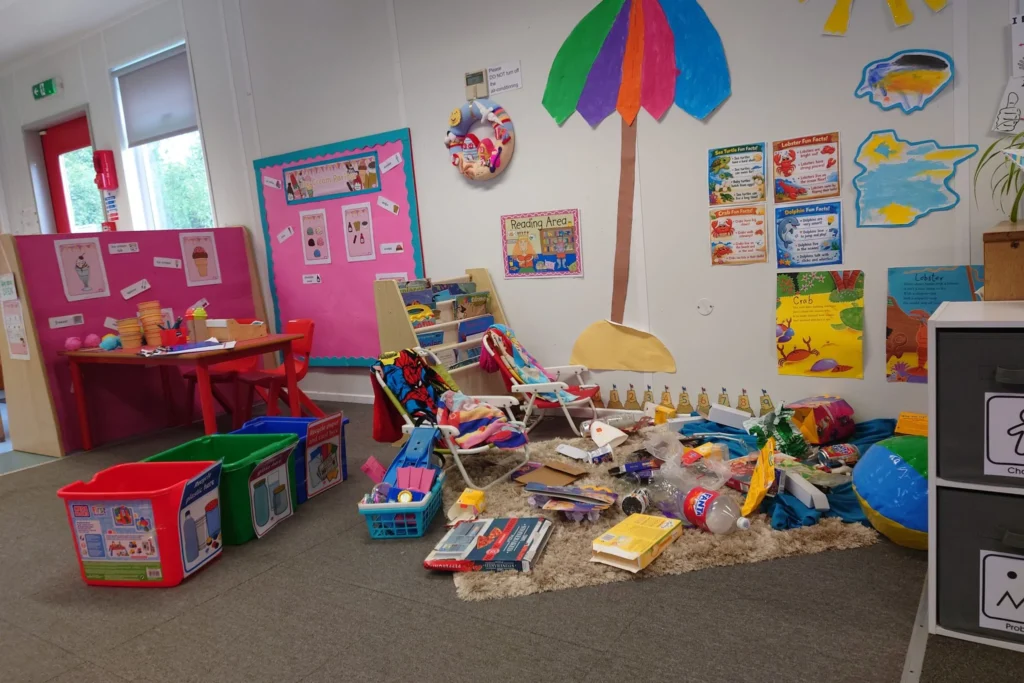
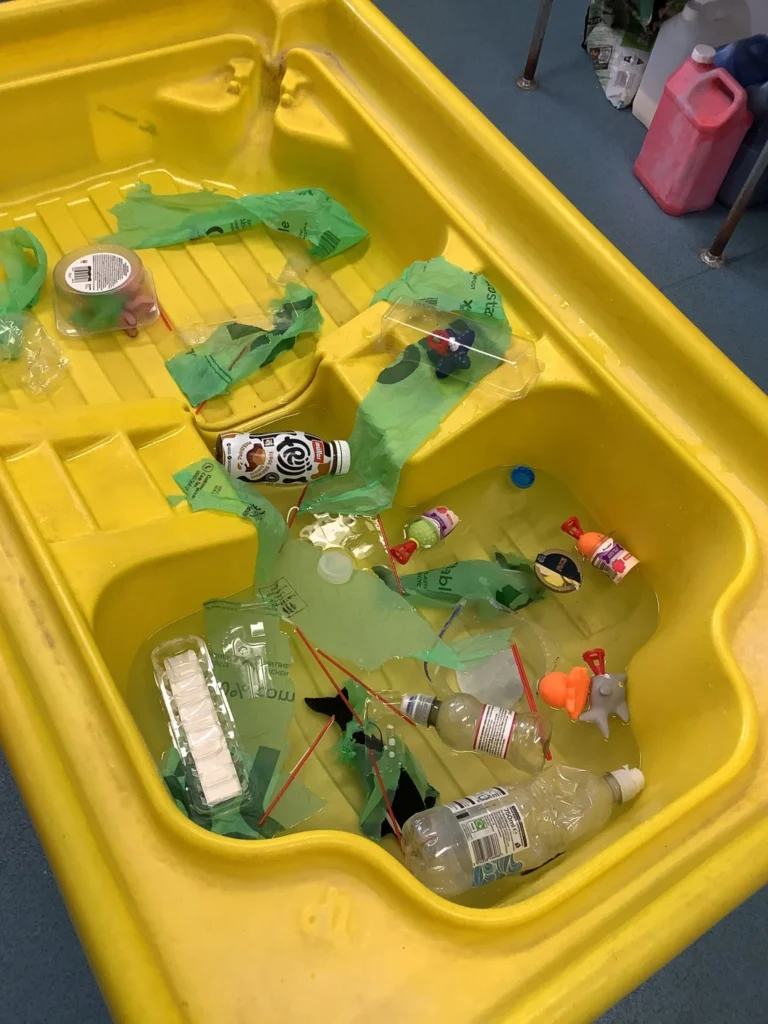
At Norton Infant School, many of our expeditions are built around the idea of protecting our planet and helping children understand that even small actions matter. Through stories such as Somebody Swallowed Stanley and Harry Saves the Ocean, scientific investigation, fieldwork and discussion, our children began to explore the impact of pollution on marine life and the wider environment. They questioned. They challenged. They empathised. Most importantly, they wanted to act.
This is sometimes the moment adults underestimate children.
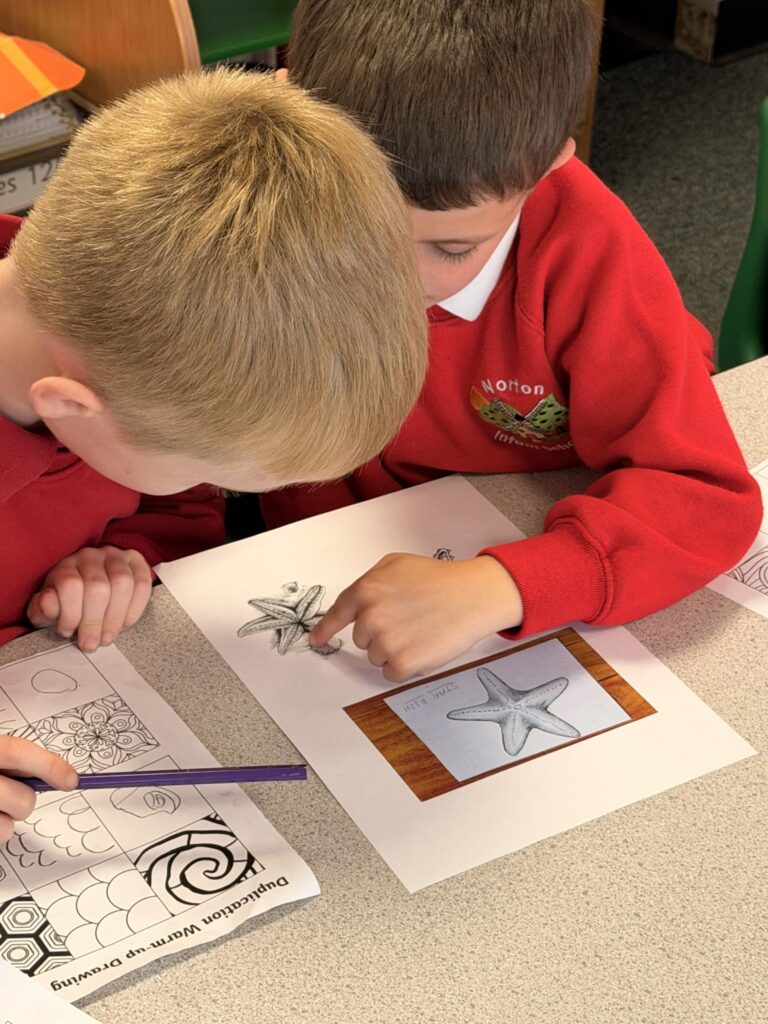
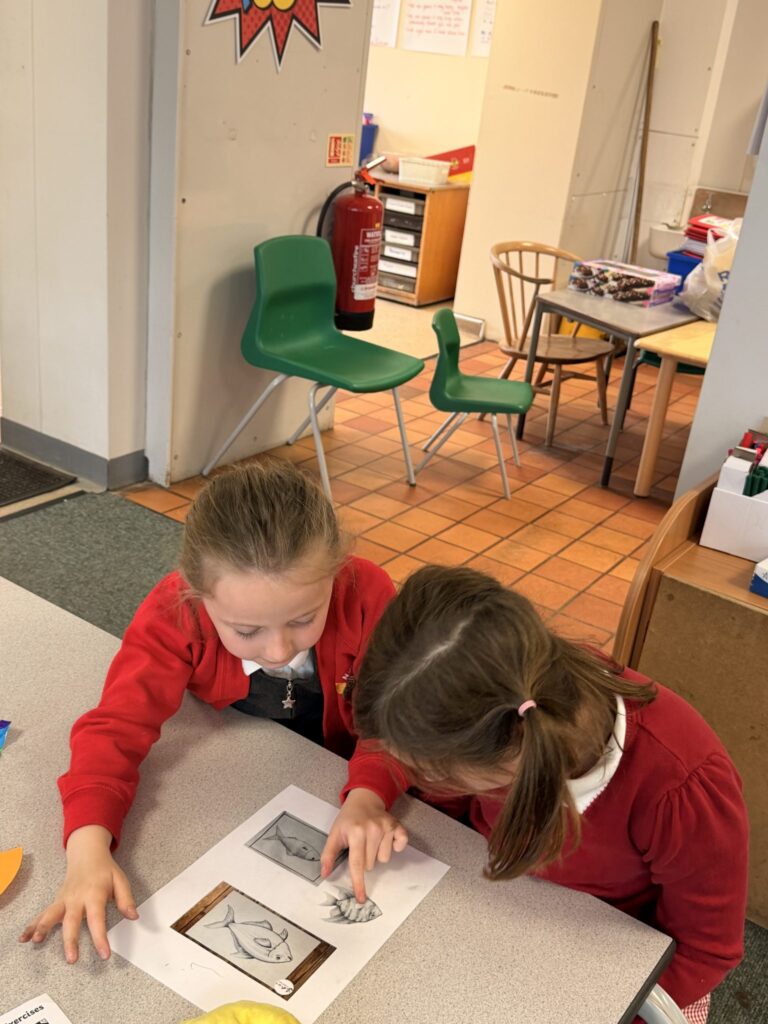
We often talk about young children as “the next generation” — future citizens who will one day inherit the responsibility of caring for the planet. But what if they are already capable of contributing now?
In our classrooms, we saw children begin to view themselves not simply as learners, but as stewards.
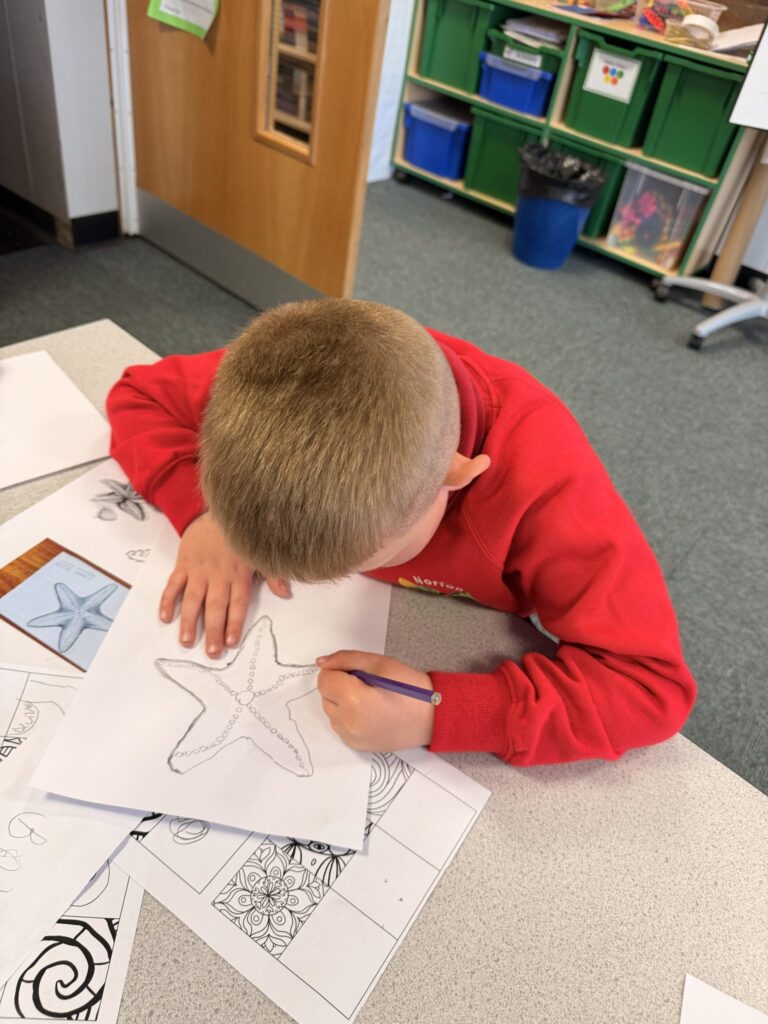
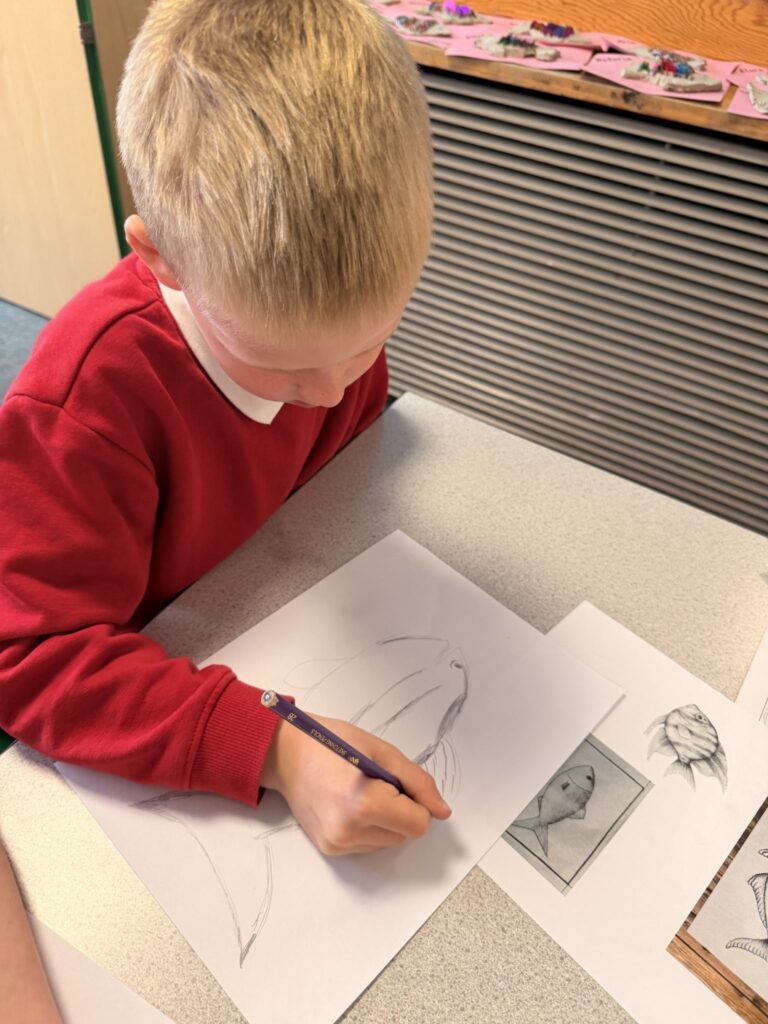
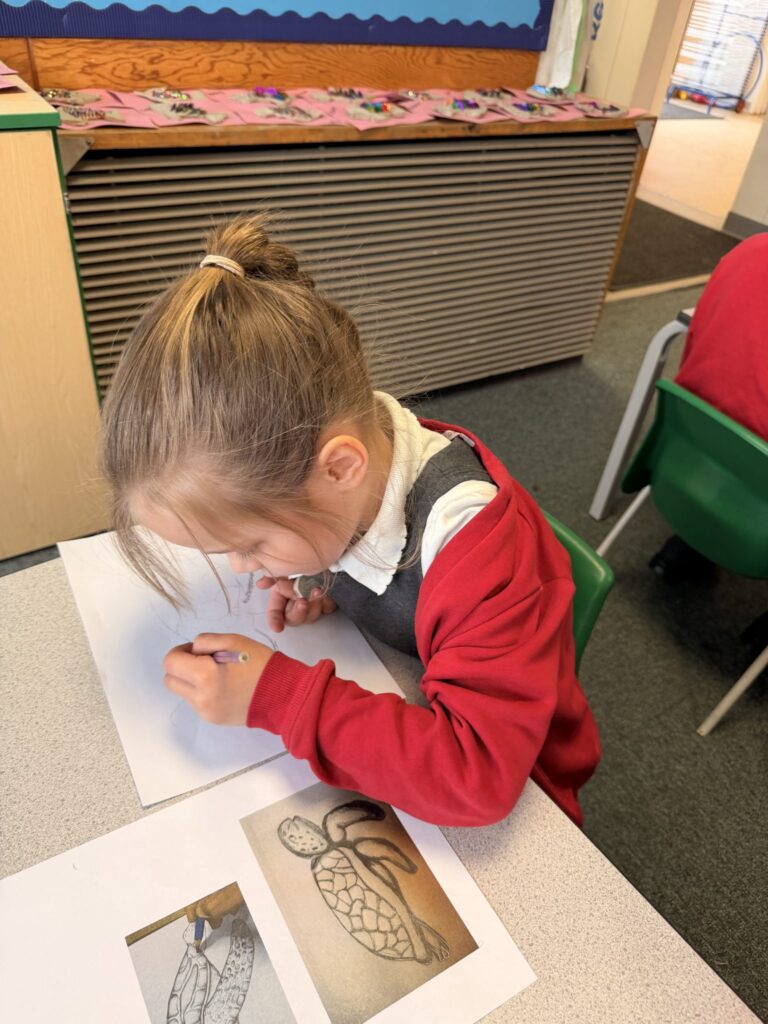
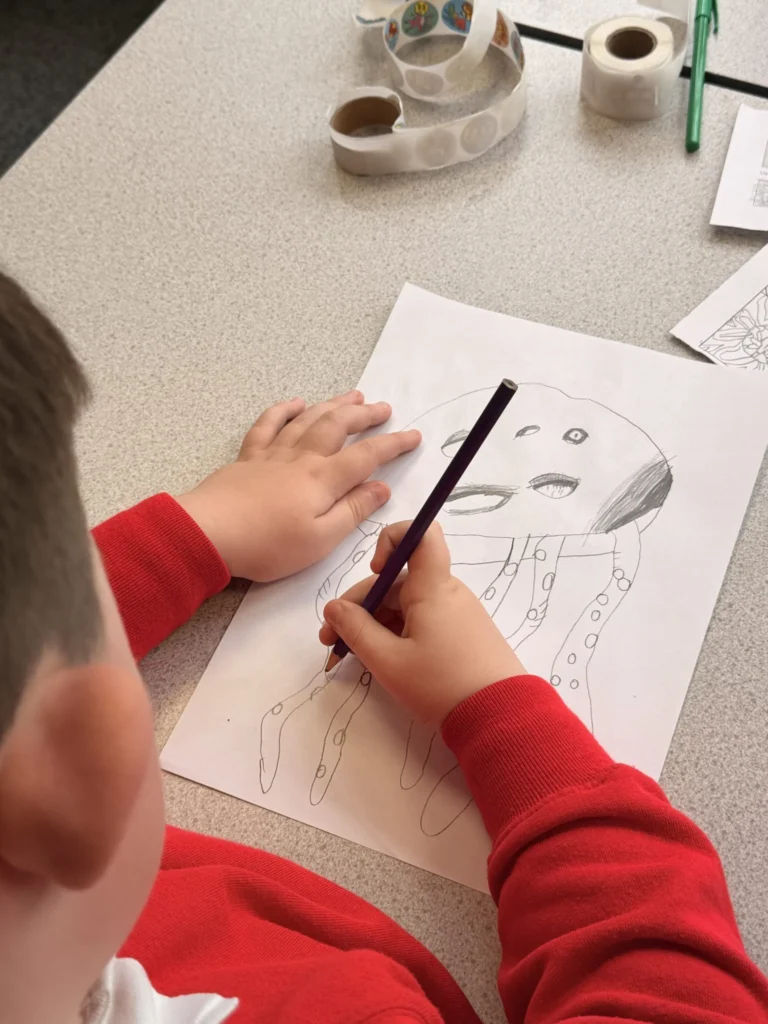
They designed posters to encourage recycling. They discussed how litter reaches oceans. They created their own versions of environmental stories. They spoke passionately about protecting sea creatures. Some even began changing habits at home, encouraging family members to recycle more carefully or reduce plastic use.
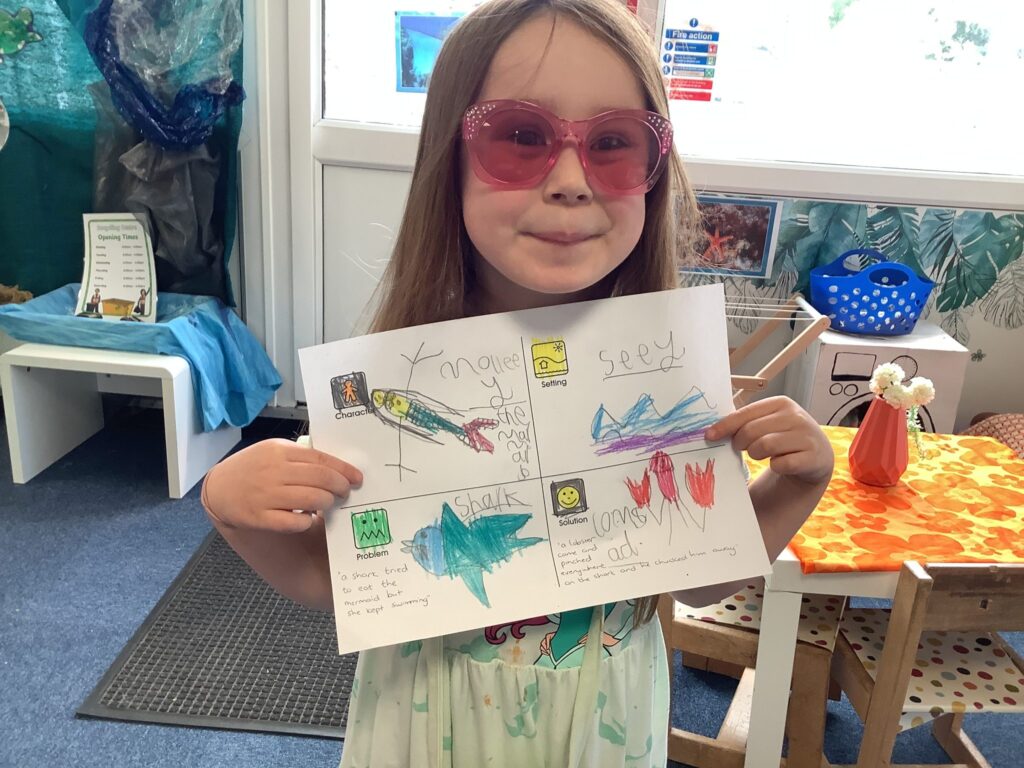
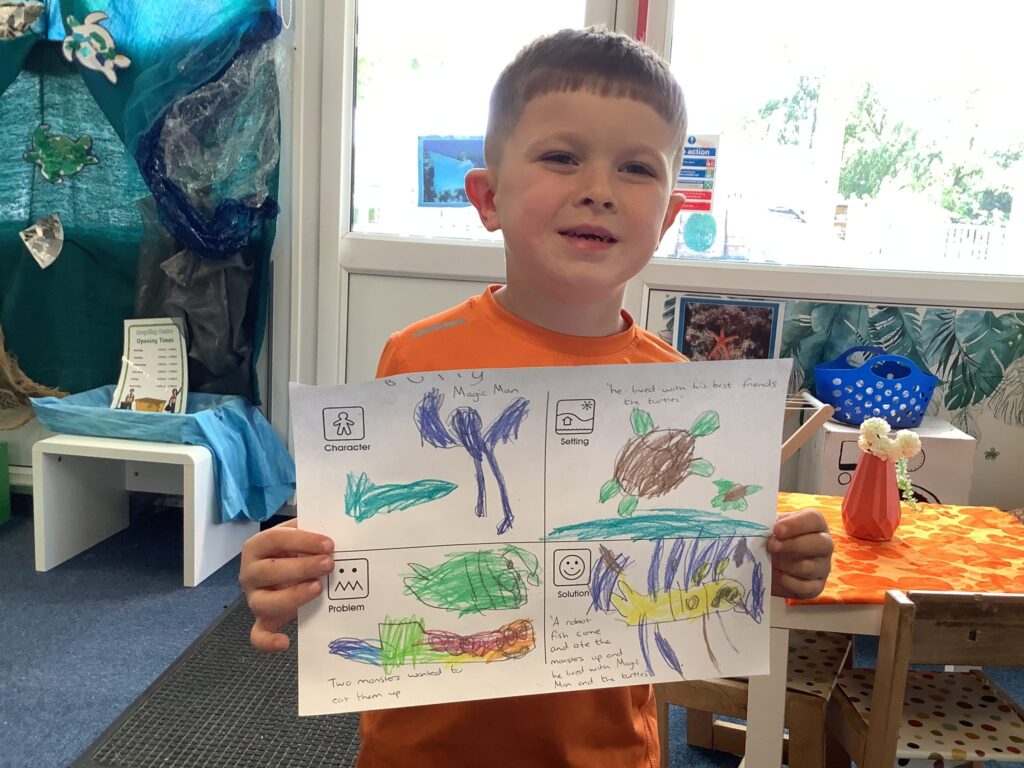
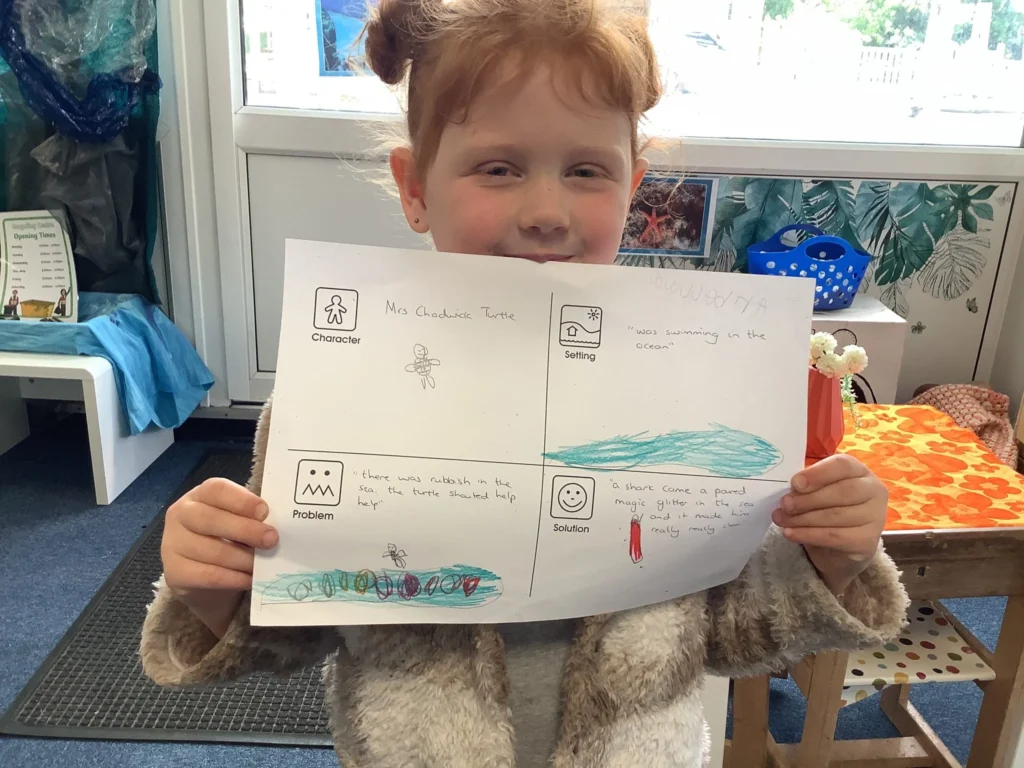
The impact of the work stretched beyond the classroom walls too. In EYFS, children created beautiful land art inspired by the natural world, which was then transformed into bin labels designed to encourage people to recycle responsibly. These labels are now being distributed far beyond our school community, allowing the children to see that their work can genuinely influence others.
In Key Stage One, children designed artwork for reusable water bottles, helping to promote more sustainable choices and reduce the amount of single-use plastic being used. For the children, these were not simply “craft activities” or end products — they were real contributions to a real issue.
None of this happened through a worksheet.
It happened because the learning was purposeful, emotional and connected to the real world.
At XP, we often talk about creating learning that develops academic success, character growth and beautiful work. Environmental learning at Norton allows all three to flourish simultaneously. Scientific understanding sits alongside compassion. Writing gains purpose because there is a genuine audience. Artwork becomes more careful because the message matters.
Most importantly, children begin to realise something powerful:
their voice has value.
This matters because the challenges facing our world can often feel overwhelming, even for adults. Climate change, pollution and environmental destruction are enormous global issues. Yet young children instinctively approach these problems differently. They do not begin with cynicism. They begin with hope.
And hope is powerful.
One of the most striking aspects of these expeditions was the sense of collective responsibility it created. The children constantly reminded one another to pick litter up. They noticed plastics in packed lunches. They talked about keeping animals safe. Stewardship became part of the culture of the classroom rather than simply a lesson objective.
That shift matters.
Because education is not only about preparing children academically. It is also about helping them understand the kind of people they want to become.
Can five-year-olds change the world?
Perhaps not all at once.
But they can change a family habit.
They can influence a community.
They can challenge adult thinking.
They can grow into people who believe their actions matter.
And maybe that is exactly where changing the world begins.
Discover more from XP Unpacked
Subscribe to get the latest posts sent to your email.